
Tabletop Planters for Small Spaces: Styling Ideas for Your Home or Office
Table of Contents:
A small apartment does not always have enough floor space for large plant pots. The same is true for offices, reception desks, shelves, countertops, and compact workspaces. Yet these are often the areas where a small touch of greenery can make the biggest visual difference.
For homeowners and interior designers, Tabletop Planters offer a simple way to introduce plants without taking up valuable floor area. A planter on a desk, coffee table, shelf, windowsill, or reception counter can create a defined decorative point while keeping the surrounding space open.
The key is choosing the right combination of planter size, shape, material, color, and plant. A compact planter can look intentional and balanced rather than simply being another object placed on a table.
Quick answer: Tabletop Planters are ideal for small spaces because they use vertical or surface space instead of valuable floor area. Choose compact proportions, stable shapes, and plants suited to indoor conditions. Ceramic, terracotta, fiberglass, and other lightweight materials can work well depending on the setting, while neutral finishes make it easier to coordinate planters with home, office, hospitality, or retail interiors.
Why Are Tabletop Planters Ideal for Small Spaces?
When floor space is limited, moving plants upward is one of the easiest ways to add greenery without making a room feel crowded.
Tabletop Planters work on surfaces that already exist. Instead of requiring a dedicated area on the floor, they can be placed on desks, side tables, shelves, counters, cabinets, benches, and windowsills.
This makes them particularly useful for:
Small apartments
Home offices
Bedrooms
Study areas
Reception desks
Office workstations
Hotel rooms
Restaurant tables
Retail counters
Café interiors
Shelving displays
For those who may not know, the shape and proportions of a planter can influence interior design, as different styles suit specific spaces and plant arrangements.
However, in small spaces, the goal is not simply to choose the smallest possible pot. The planter needs to be proportionate to the surface it sits on as well as to the plant itself.
A very small pot with a large plant can look unstable, while an oversized planter can overwhelm a narrow desk.
Tabletop Planter Size Guide
Setting | Suggested Planter Size | Suitable Plant Type |
Desk | 4–6 in. | Small foliage plants |
Windowsill | 4–8 in. | Herbs, succulents, compact plants |
Coffee table | 6–10 in. | Small leafy plants |
Side table | 6–10 in. | Medium compact plants |
Reception counter | 6–12 in. | Decorative foliage |
Large office table | 8–14 in. | Larger indoor plants |
Shelf display | 4–8 in. | Compact or trailing plants |
These are starting points rather than fixed rules. The available surface, plant size, and visual weight of the planter should always be considered together.
What Size Should Tabletop Planters Be?
The ideal size depends on the furniture rather than the room itself. For a narrow desk, a planter with a diameter of around 4–6 inches can provide greenery without taking away too much workspace. On a larger coffee table or reception counter, a 6–12-inch planter can create a stronger focal point.
Height also matters.
A low bowl-shaped planter creates a wide visual footprint while keeping the overall arrangement close to the tabletop. A taller tabletop pot creates more vertical interest and can be useful when decorating shelves or empty corners of a desk.
Surface | Best Approach |
Narrow desk | Compact round planter |
Wide work desk | One medium planter or a small group |
Bookshelf | Small pots with different heights |
Coffee table | Low bowl or rounded planter |
Dining table | Low-profile planter that does not block conversation |
Reception counter | Decorative planter with moderate height |
Windowsill | Narrow, stable planter |
One useful styling principle is to leave enough negative space around the planter. A tabletop does not need to be completely filled with plants to look finished.
Which Tabletop Planter Shapes Work Best?
Shape changes how a plant arrangement feels.
Round Tabletop Planters
Round planters are easy to integrate into most interiors. Their soft silhouette works particularly well on desks, coffee tables, and side tables where furniture may already have rectangular edges.
Low Bowl Planters
Low bowls create a wider but shorter arrangement. They work especially well with compact foliage, succulents, and grouped plant displays.
The low profile also keeps sightlines open, making this style suitable for dining tables, reception counters, and shared office tables.
Tapered Planters
A tapered silhouette can create a slightly more architectural appearance. It is a good choice when the tabletop needs a stronger decorative element without requiring a very large planter.
Square or Geometric Planters
Geometric planters can complement modern desks, minimalist interiors, and contemporary offices. Their structured shape creates contrast against softer foliage.
Textured or Fluted Planters
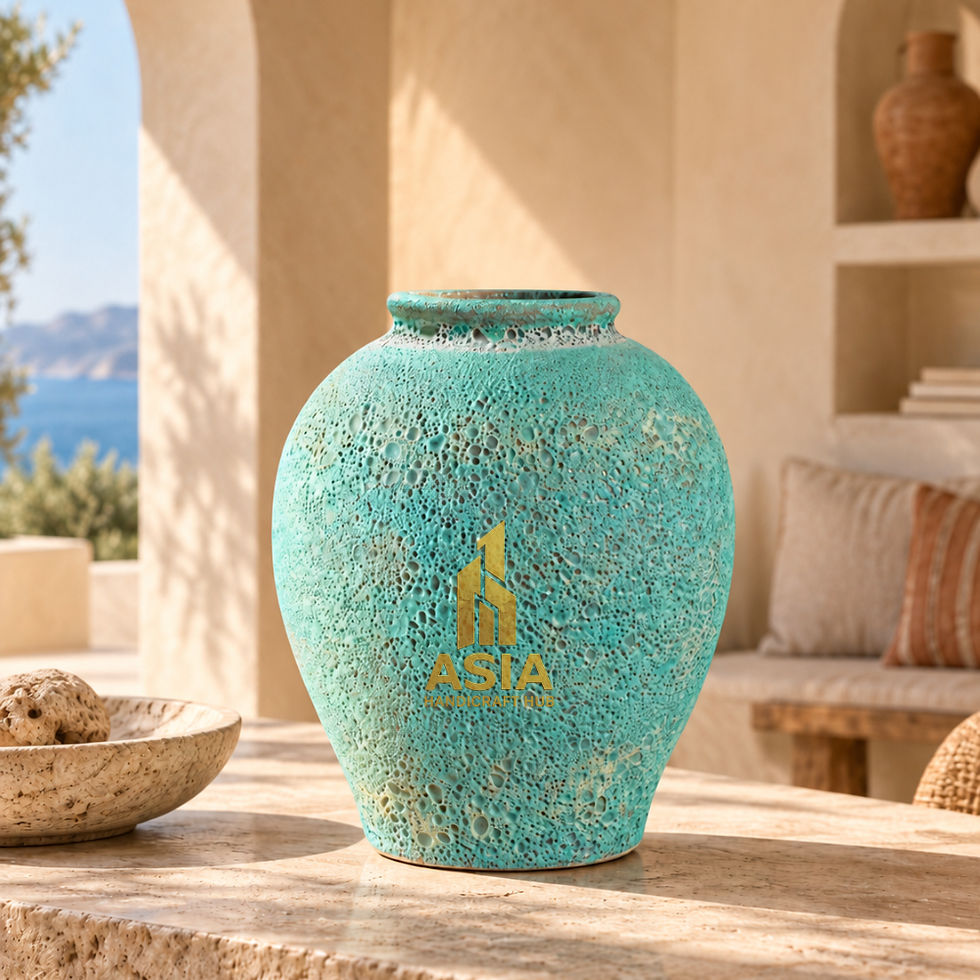
Texture gives a small planter more visual interest without requiring a large size. Ribbed, fluted, or handcrafted surfaces can turn a simple tabletop plant into a decorative feature.
Planter designs featuring raised ridges and a profile that tapers toward the base create distinctive visual effects and are well-suited for plant arrangements in both indoor and outdoor spaces.
8 Styling Ideas for Tabletop Planters
Asia Handicraft Hub introduces eight ideas for styling standout tabletop planters that are currently trending.
Create a Green Desk Corner
Place one compact planter beside a monitor, notebook, or desk lamp. Choose a plant with an upright or slightly spreading form so that the foliage adds height without covering the working area.
For a professional office, neutral ceramic or matte finishes can keep the arrangement clean and understated.
Style a Coffee Table With One Statement Planter
Instead of filling a coffee table with multiple small objects, use one well-proportioned planter as the centerpiece.
A low, rounded planter works particularly well because it adds greenery without becoming a visual barrier between people sitting around the table.
Use Small Planters on Open Shelves
Shelves are excellent locations for Tabletop Planters because they make use of vertical space.
Try placing one planter on every second or third shelf rather than putting plants on every level. This creates rhythm while preserving negative space.
You can also combine:
One small round planter
One textured planter
One trailing plant
One decorative object
The variation prevents the shelf from looking repetitive.
Add Greenery to a Home Office
A home office can feel visually rigid because of desks, monitors, shelves, and storage furniture. A small planter beside the monitor or on a nearby shelf introduces a natural element without requiring additional floor space.
For a cohesive look, match the planter finish with another element in the room, such as the desk frame, shelving, lighting, or decorative accessories.

Use Tabletop Planters on a Reception Counter
For commercial spaces, small planters can make reception areas feel more welcoming. A single decorative planter positioned near the reception desk can create a subtle visual connection between branding, furniture, and greenery.
For larger reception areas, use two or three matching planters rather than mixing too many styles.
Create a Small Grouping With Different Heights
One planter can look intentional, but three can create a more layered display.
A simple combination is: small + medium + tall. Use different plant heights while keeping the planter materials or colors coordinated. This gives the arrangement visual depth without requiring a large footprint.
Use a Low Planter for Dining Tables
Dining tables require careful plant placement because people need clear sightlines. A low-profile planter can provide greenery while keeping the center of the table functional.
Avoid tall plants that block conversation across the table unless the table is large enough to accommodate them.
Match Planters With the Interior Style
The planter should support the room rather than compete with it.
Interior Style | Recommended Tabletop Planter Style |
Minimalist | Smooth white, beige, grey, or black |
Japandi | Matte ceramic, natural textures |
Modern | Geometric or tapered forms |
Rustic | Terracotta or textured finishes |
Mediterranean | Warm terracotta and earthy colors |
Contemporary office | Simple neutral finishes |
Boutique hospitality | Textured or handcrafted surfaces |
Which Plants Work Well in Tabletop Planters?
The plant should match the planter's dimensions. For small containers, choose plants that remain relatively compact or can be maintained at a manageable size.
Plant Type | Suitable Planter Style | Best Location |
Succulents | Low bowl | Desk, shelf |
Small ferns | Round or textured | Bathroom, shelf |
Pothos | Small round pot | Shelf, office |
Snake plant varieties | Tall compact pot | Desk corner |
Small palms | Medium tabletop planter | Office, lobby |
Herbs | Small ceramic pots | Kitchen windowsill |
Compact tropical foliage | Round or tapered | Coffee table |
Trailing plants | Bowl or rounded pot | Shelf |
Before selecting a plant, consider its light requirements, watering needs, mature size, and the drainage requirements of the planter.
A beautiful tabletop display will only remain attractive if the plant can thrive in its location.
How Do You Choose the Right Material?
Material affects the appearance, weight, durability, and maintenance requirements of a planter.
Ceramic Tabletop Planters
Ceramic is a strong option when the decorative appearance of the planter is just as important as the plant.
Glazed ceramic can introduce color and shine, while matte or textured ceramic can create a more understated look. For home interiors, ceramic tabletop pots work particularly well with decorative furniture and curated plant displays.
Terracotta Tabletop Planters
Terracotta provides an earthy appearance that works well with Mediterranean, rustic, farmhouse, and natural interiors. Its warm color also creates an easy visual connection with green foliage.
Fiberglass Tabletop Planters
Fiberglass can be useful when buyers want a lightweight alternative with a wide range of shapes, sizes, and finishes.
Fiberglass planters are known for their durability and versatility, featuring diverse designs—from round bowls to tapered forms—suitable for both indoor and outdoor planting.
Material Comparison
Material | Main Advantage | Best For |
Ceramic | Decorative and versatile | Homes, offices, hospitality |
Terracotta | Natural appearance | Rustic and Mediterranean interiors |
Fiberglass | Lightweight and versatile | Modern interiors and commercial spaces |
Cement/GFRC | Strong visual weight | Contemporary spaces |
Metal | Modern appearance | Commercial and contemporary interiors |
For tabletop applications, weight should be considered carefully. A planter should be stable enough for the plant but not unnecessarily heavy for the furniture or shelf supporting it.
Where Can You Use Tabletop Planters?
The biggest advantage of Tabletop Planters is their flexibility. They can fit into spaces where conventional floor planters cannot.
At Home
Living room coffee tables
Home office desks
Kitchen windowsills
Bedroom side tables
Bookshelves
Entryway consoles
Bathroom counters
In Offices
Reception counters
Individual desks
Meeting rooms
Break areas
Open shelving
Executive offices
Collaborative workspaces
In Hospitality and Retail
Hotel reception areas
Guest rooms
Restaurant tables
Café counters
Boutique displays
Retail shelves
Spa reception areas
For commercial buyers, tabletop planters can also help create a consistent visual language across several small spaces. Instead of selecting a different planter for every location, buyers can develop a coordinated collection using the same material, finish, or shape in different sizes.

How Can You Create a Balanced Tabletop Plant Arrangement?
A good arrangement does not need many elements. Start with three things:
1. Choose the focal point.Decide whether the plant, planter, or both should attract attention.
2. Keep proportions consistent.A small table needs a smaller arrangement. A larger counter can accommodate more visual weight.
3. Repeat one design element.Use the same color, finish, material, or planter shape across several pieces.
For example, an office could use white ceramic Tabletop Planters throughout the reception area, meeting room, and individual workstations. The plants can vary slightly while the containers maintain a consistent visual identity.
This approach is particularly useful for hospitality and commercial projects where several areas need to feel connected.
What Should Wholesale Buyers Consider When Sourcing Tabletop Planters?
Retailers, garden centers, interior designers, and hospitality buyers should look beyond appearance when developing a tabletop planter collection.
Factor | What to Check |
Size | Diameter, height, capacity |
Material | Ceramic, terracotta, fiberglass, etc. |
Finish | Glazed, matte, textured, natural |
Drainage | Drainage hole and indoor setup |
Stability | Base width and overall balance |
Color | Consistency between production batches |
Packaging | Protection during export |
MOQ | Minimum order quantity |
Lead time | Production and shipping schedule |
Customization | Size, color, finish, or design options |
For wholesale collections, consistency is especially important. A retailer may order the same tabletop planter design in several colors or sizes. If the finish varies significantly between batches, it becomes more difficult to maintain a cohesive retail collection.
Buyers should therefore confirm product specifications, samples, finish references, packaging, and quality-control procedures before placing a larger order.
Why Are Tabletop Planters a Good Choice for Small-Space Design?
The main advantage is simple: they allow designers to add greenery without requiring another piece of floor furniture.
A small planter can occupy an existing surface while changing the visual character of the space.
For homeowners, that can mean adding greenery to a desk or bookshelf. For offices, it can soften workspaces. For hotels, restaurants, and retail environments, coordinated tabletop planters can add decorative detail across multiple customer-facing areas.
FAQ
What are Tabletop Planters?
Tabletop Planters are compact plant containers designed to sit on surfaces such as desks, tables, shelves, counters, and windowsills. They are commonly used for indoor greenery where floor space is limited.
What size planter is best for a desk?
A 4–6 inch diameter planter is a practical starting point for many desks, although the ideal size depends on the desk dimensions and plant. Larger workstations can accommodate planters around 8–10 inches without overwhelming the surface.
Which plants are best for small tabletop planters?
Succulents, small ferns, pothos, compact foliage plants, herbs, and other small indoor plants can work well. Always match the plant's mature size and light requirements with the location.
Are ceramic Tabletop Planters suitable for offices?
Yes. Ceramic planters can work particularly well in offices because they offer many colors, finishes, and decorative styles. For desks and shelves, choose a stable size and consider drainage and water protection for the furniture.
Can Tabletop Planters be used in hotels and restaurants?
Yes. They can be placed on reception counters, guest-room furniture, restaurant tables, café counters, and other customer-facing surfaces. For commercial projects, matching shapes or finishes can create a more consistent visual identity.
How do I choose Tabletop Planters for small spaces?
Start with the available surface area, then consider planter diameter, height, weight, plant size, and interior style. Choose a planter that leaves enough surrounding space for the surface to remain functional.
About Asia Handicraft Hub
Asia Handicraft Hub is a manufacturer and exporter of Vietnam pottery pots and ceramic planters, supplying wholesale buyers, importers, retailers, landscapers, and hospitality businesses across international markets. Our collection includes different planter shapes, sizes, finishes, and designs suitable for indoor and commercial plant displays.


Comments