
Bulk Clay Pots & Ceramic Planters: Complete Buyer's Guide for Nurseries & Retailers
Updated: Aug 19
Whether you run a nursery, garden center, or retail gift shop, buying pots in bulk means navigating a genuinely confusing market. This guide cuts through it — covering material differences, sizing by plant type, quality checks, and exactly what to expect when sourcing wholesale ceramic and clay planters directly from Vietnam.
Here's a frustration wholesale buyers run into constantly: "clay pot" and "ceramic pot" get used interchangeably in supplier catalogs, but they're not the same thing. The difference matters — for plant health, for retail positioning, and for how your inventory holds up after a season outdoors.
This guide is written for buyers placing orders of 200 units or more: nurseries stocking annuals and perennials, garden centers expanding their planter selection, boutique retailers adding handmade-look pots to their houseplant section, or landscapers sourcing in volume for commercial installs.
We'll cover the material basics first, then get into sizing, pricing, and what to actually look for when vetting a wholesale clay pot supplier.
Clay Pots vs Ceramic Pots — What's the Difference When Buying Bulk?
The short version: all terracotta is clay, but not all clay pots are ceramic, and not all ceramic pots are terracotta. The terms overlap but mean different things in wholesale contexts.
Clay pots (typically terracotta) are made from natural earthen clay, fired at lower temperatures (around 900–1050°C), and left unglazed. The result is porous — water and air pass through the walls, which is genuinely better for most plants. Root rot is harder to achieve in terracotta than in plastic or sealed ceramic. The tradeoff is that clay pots dry out faster and can crack in hard freezes.
Ceramic planters are fired at higher temperatures and usually glazed. The glaze seals the surface, making them non-porous. They're heavier, hold moisture longer, and are more durable in outdoor conditions. They're also more expensive to produce and ship, which shows up in your wholesale unit cost.
For most nurseries, the practical answer is: carry both. Clay/terracotta for herbs, succulents, seedlings, and customers who ask "what's best for plants." Glazed ceramic for the retail gift section, statement indoor pots, and anything going in a covered outdoor space.
Buyer's Note
Glazed ceramic pots also have a lower return rate from retail customers — they look more "finished" out of the box. Terracotta can look dusty or inconsistent in color, which some customers misread as a defect. If you're selling through a gift or lifestyle channel rather than a plant nursery, lean toward glazed.
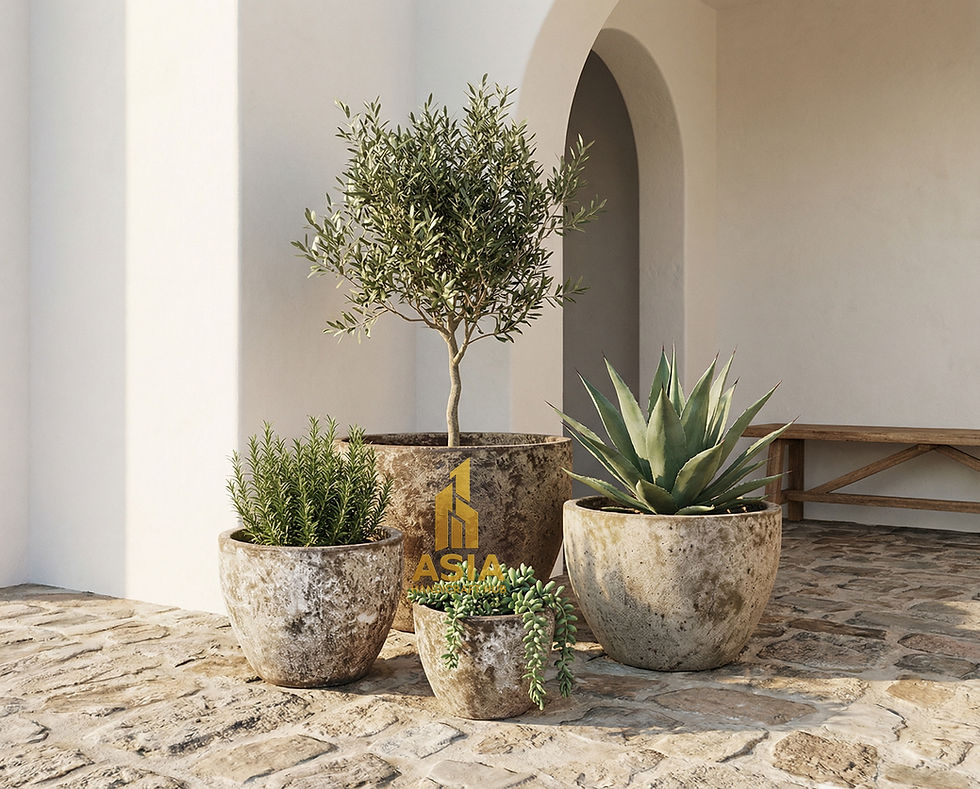
Why Nurseries & Retailers Buy Clay Pots in Bulk
The economics are straightforward. A 4-inch terracotta pot retails for $1.50–$3.00 at most garden centers. Wholesale direct from a Vietnamese manufacturer, that same pot runs $0.22–$0.45 per unit at 300+ quantity. At 500 units, you're looking at a gross margin of 70–80% before freight and duties.
That margin gets tighter when you factor in shipping from overseas — roughly $800–$1,500 for a 20-foot container to US ports, plus domestic freight to your location. But even after freight, direct-source wholesale consistently outperforms buying through a US distributor by 30–50% on standard sizes.
The other reason to buy in bulk: consistency. If you're merchandising a wall of 4-inch terracotta pots for a succulent display, they need to match. Color variation, rim thickness, and glaze inconsistency are all common in small-batch or artisan pottery. Production-scale manufacturers in Vietnam can hold tighter tolerances than small studios, which matters for retail display.
Bulk Pot Size Guide by Plant Category
Sizing is where a lot of first-time wholesale buyers make expensive mistakes. Ordering too many of one size and not enough of another leaves you overstocked on something that won't move and constantly reordering what actually sells.
Here's a practical size guide based on common retail and nursery plant categories:
Pot Size | Best For | Retail Category | Notes |
2"–3" | Succulent propagation, seedlings, party favors | Craft / Event | High velocity; order 500+ units |
4" | Herbs, small succulents, starter plants | Nursery / Gift | Single biggest seller for most nurseries |
5"–6" | Perennials, annuals, mid-size tropicals | Nursery / Garden | Good saucer pairing opportunity |
8" | Ferns, peace lilies, outdoor annuals | Nursery / Lifestyle | Sweet spot for indoor gift pots |
10"–12" | Large houseplants, shrubs, statement planters | Garden / Interior | Higher breakage; pack carefully |
14"–16" | Landscape specimens, outdoor patios | Landscape / Garden | Often sold with matching saucers |
18"–20" | Topiary, large statement plants, courtyards | Landscape / Commercial | Lower MOQ; specialty product |
For a well-balanced nursery opening order from Vietnam, a common split is roughly 40% small (2"–4"), 40% medium (5"–8"), and 20% large (10"+). Adjust based on your actual product mix, but be conservative on large sizes your first order — freight cost per unit is higher and they sell slower.
Sizing Tip
Vietnamese manufacturers measure pots in centimeters at the factory. A "4 inch" pot from most suppliers is 10–11 cm rim diameter. Always confirm measurements in both imperial and metric before finalizing your purchase order, especially for sizes where the inch-to-cm conversion isn't exact.
Wholesale Ceramic Planters for Indoor & Outdoor Retail
Glazed ceramic planters occupy a different segment of the wholesale market than basic terracotta. They're bought for visual appeal more than plant-health properties, and they sell through different channels — gift shops, home décor boutiques, and the "lifestyle" section of garden centers rather than the plant benches.
What's available in wholesale ceramic
Vietnamese ceramic manufacturers produce a wide range of glazed planter styles. The most common in bulk orders:
Reactive glaze planters — The finish varies slightly pot to pot due to the kiln chemistry. That inconsistency is the point; it reads as handmade. These sell well in boutique retail and command higher price points. Wholesale cost is typically 30–45% above unglazed terracotta in the same size.
Matte ceramic planters — Consistent, flat finish in neutral tones (white, cream, sage, charcoal). These are the workhorses of the indoor plant gift market. Very high sell-through in lifestyle retail.
Textured terracotta-look ceramics — Fired at higher temperatures than standard terracotta but finished to look like aged clay. Combines the aesthetic of terracotta with the durability of high-fire ceramic. Popular for covered outdoor displays.
Indoor vs outdoor ceramic — a practical distinction
Not all glazed ceramic is rated for outdoor use. Ceramic fired below 1,100°C can absorb water through micro-cracks in the glaze, which then freezes and spalls in cold climates. If you're stocking planters for outdoor retail in USDA zones 5 and below, confirm the firing temperature and ask specifically about frost resistance before ordering.
Watch Out
"Ceramic" is not a frost-proof designation. If you're selling to customers in cold climates, ask your supplier directly: "What is the minimum outdoor temperature rating for this planter?" A legitimate manufacturer will have a spec sheet. If they can't answer, treat the product as indoor-only.

How to Evaluate a Wholesale Clay Pot Supplier
The most common complaint from buyers who've had bad wholesale experiences is some version of: "The samples were great, the order wasn't." Quality consistency between a sample and a production run is the core challenge of overseas sourcing. Here's how to protect yourself.
Request samples before anything else
This should be non-negotiable. Any serious manufacturer will send samples; budget $30–$80 for international freight. When samples arrive, test them properly — don't just look at them.
Fill with water and let sit 24 hours. Check for seepage through walls (acceptable for terracotta, not for glazed ceramic).
Check wall thickness by feel. Walls should be consistent around the rim — thin spots indicate inconsistent clay prep.
Tap the pot lightly. A clear ring indicates well-fired clay. A dull thud can indicate under-firing or air pockets.
Measure the rim diameter yourself with a tape measure. Confirm it matches what was specified in centimeters and inches.
Check the drainage hole — it should be clean-edged and roughly 20–25% of the base diameter.
For glazed pots: check for pinholes, crawling (bare spots where glaze pulled away), and color consistency across the sample set.
Key quality specs to request in writing
Before placing a production order, ask your supplier to confirm these in writing on the Proforma Invoice or a separate spec sheet:
Spec | What to Ask | Why It Matters |
Firing temperature | Kiln temp in °C | Higher temp = denser, more durable pot |
Clay density | g/cm³ or weight of standard 6" pot | Proxy for clay quality and firing consistency |
Wall thickness | Min/max mm at rim and base | Thin walls crack in shipping and in use |
Breakage guarantee | % breakage covered, claim window | Your protection if damage exceeds normal rates |
Packing method | Carton spec, dividers, wrap type | Directly affects breakage rate in transit |
Pre-shipment inspection
For any order above $5,000 in value, a third-party pre-shipment inspection is worth the cost ($200–$400 for a single-day visit from SGS or Bureau Veritas). Inspectors check product quality, quantity, and packing before the container is sealed. If they find issues, you can address them before the goods ship — not after they arrive damaged at your warehouse.
Sourcing Wholesale Clay Pots from Vietnam — MOQ & Lead Times
Vietnam has been producing terracotta and ceramic planters at export scale for decades. The main production clusters are in the south — Binh Duong province is the largest hub, with dozens of factories producing everything from 2-inch mini pots to 20-inch landscape urns.
What's changed in the last several years is accessibility. Direct factory relationships that used to require a trade show visit or sourcing agent are now approachable via email and WhatsApp. If you've never sourced direct from Asia before, Vietnam is one of the more buyer-friendly starting points — English communication is reasonable, and factories are experienced with US import requirements.

Minimum order quantities
MOQs vary by product type and factory scale:
Product Type | Typical MOQ per SKU | Notes |
Standard terracotta (4"–8") | 200–500 units | Most flexible; high production volume |
Mini terracotta (2"–3") | 500–1,000 units | Small pots are labor-intensive |
Large terracotta (10"+) | 100–200 units | Lower unit count, higher unit cost |
Glazed ceramic planters | 200–300 units | Depends on glaze type and color |
Custom engraved / branded | 500+ units | Plus one-time tooling cost ($150–$300) |
You can mix SKUs to fill a container. A 20-foot container typically holds 3,000–5,000 standard 6" pots, or proportionally more smaller pots. Many first-time buyers mix 3–5 SKUs across sizes to hit container volume without overcommitting to any single size.
Lead times
Standard production: 4–6 weeks from confirmed purchase order and deposit receipt. Add 18–22 days ocean freight to US West Coast ports, or 25–32 days to East Coast. Total door-to-door from order to delivery: typically 8–12 weeks.
Rush orders (2–3 week production) are sometimes available at a 10–15% surcharge, subject to factory capacity. Peak production season runs October through March — factories are busiest in Q4. If you need spring inventory, place your order no later than January.
Planning Tip
Work backward from your sell date. If you want terracotta pots on your shelves by April 15 for the spring planting season, your production order needs to be confirmed by late January at the latest. Most buyers miss this window their first year.
Wholesale Pricing Overview
The following are representative FOB Ho Chi Minh City price ranges — not firm quotes. Use these for budget planning; your actual quote will depend on size, quantity, finish, and current factory workload.
Product | Size | Price per Unit (FOB) | MOQ |
Unglazed terracotta | 2"–3" | $0.08–$0.18 | 500 units |
Unglazed terracotta | 4"–5" | $0.22–$0.45 | 300 units |
Unglazed terracotta | 6"–8" | $0.55–$1.20 | 200 units |
Unglazed terracotta | 10"–12" | $1.80–$3.50 | 100 units |
Glazed ceramic planter | 4"–5" | $0.55–$0.85 | 300 units |
Glazed ceramic planter | 6"–8" | $1.20–$2.40 | 200 units |
Glazed ceramic planter | 10"–12" | $3.00–$6.00 | 100 units |
Saucer sets (add-on) | Any | +15–30% to pot price | Same as pot |
FOB pricing does not include ocean freight, import duties, or domestic US delivery. Duties on terracotta pots from Vietnam are currently 0% under standard harmonized tariff codes — but verify this with your customs broker before finalizing costs, as classifications vary and trade policy changes.
Frequently Asked Questions
What's the minimum order quantity for wholesale ceramic pots from Vietnam?
Per-SKU minimums typically run 200–500 units for standard terracotta and glazed ceramic sizes. Mini pots (2"–3") usually require 500–1,000 units per SKU due to higher labor intensity. For total order minimums, some factories require a full 20-foot container (3,000–5,000 standard pots), while others accommodate LCL (Less than Container Load) shipments for smaller buyers — typically 500–1,500 total units.
Are clay pots better than ceramic for plants?
For most plants, yes — unglazed clay (terracotta) is more porous, which means better airflow to roots and lower risk of overwatering. Succulents, herbs, and Mediterranean plants in particular do well in terracotta. Glazed ceramic retains moisture longer, which suits tropical houseplants that prefer consistently moist soil. The right choice depends on what you're growing and how your customers water.
How long does shipping take from Vietnam to the US?
Ocean freight from Ho Chi Minh City to US West Coast ports (Los Angeles, Long Beach) typically takes 18–22 days. East Coast ports add another 7–10 days via the Panama Canal. Including production time (4–6 weeks) and customs clearance on arrival, total lead time from confirmed order to warehouse delivery is usually 8–12 weeks. Plan your seasonal orders accordingly — spring inventory orders should be placed no later than early February.
Can I mix different pot sizes in one wholesale order?
Yes. You can mix multiple SKUs (sizes, styles, finishes) in a single container shipment, as long as each individual SKU meets its per-SKU minimum. Many buyers order 3–6 sizes in one container to diversify their inventory without overcommitting to any single size. Your freight forwarder handles the consolidation logistics.
What is a normal breakage rate for bulk terracotta pots?
With proper double-wall carton packing, individual pot wrapping, and cardboard dividers, breakage rates of 1–3% are normal for standard terracotta (4"–10"). Larger pots and thinner-walled items run 3–5%. Saucers are slightly higher due to thinner profiles. Build expected breakage into your pricing, and document any damage with photos immediately on delivery — most suppliers require breakage claims within 7–14 days of receipt.
Do Vietnamese terracotta pots meet US import standards?
For standard unglazed terracotta planters, there are no specific CPSC restrictions or certification requirements for US import. Glazed ceramic products sold for food contact (plates, mugs) have cadmium and lead restrictions, but planters are generally exempt. Your customs broker can confirm the HTS code classification for your specific product. Most terracotta planters from Vietnam clear under a 0% duty rate under standard tariff schedules.
Ready to Place a Wholesale Order?
Get a direct quote on bulk terracotta and ceramic planters sourced from our Vietnam production partners. Samples available before you commit.

Comments